How Do You Choose the Right Pressure-Treated Lumber?
The right pressure-treated lumber depends on three things: where the wood will be used, its required structural grade, and its treatment rating. Above-ground deck boards and posts embedded in soil do not necessarily require the same treatment. Before buying, check the lumber’s grade stamp, treatment end tag, dimensions, and intended application.
For Louisiana contractors and homeowners, moisture exposure, drainage, and outdoor conditions make proper material selection especially important.
Sorrento Lumber & Concrete supplies pressure-treated lumber and outdoor building materials, including treated #2 pine, porch flooring, and treated bullnose decking.
This guide explains how to compare grades, treatment ratings, and hardware before ordering materials for your next project.
What Is Pressure-Treated Lumber?
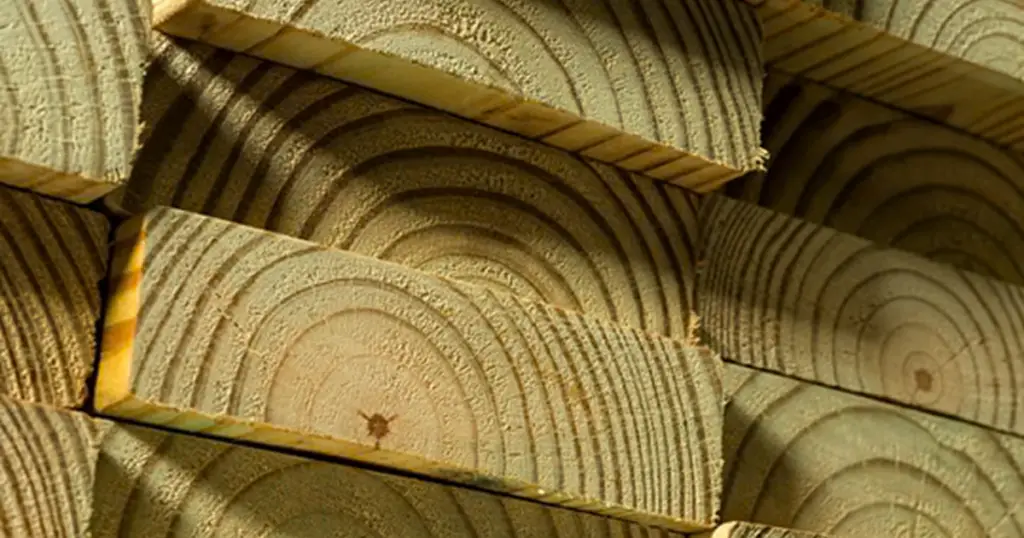
Pressure-treated lumber is wood that has been treated with preservatives to improve resistance to fungal decay and certain wood-damaging insects.
The treatment process introduces preservatives into the wood under controlled conditions. The preservative system and treatment level vary according to the intended application.
Pressure-treated wood is commonly considered for:
- Outdoor deck framing and decking
- Fence posts, rails, and boards
- Porch flooring
- Outdoor stairs and railings
- Certain landscaping structures
- Construction components exposed to moisture
Important: Pressure treatment does not make lumber waterproof, eliminate maintenance, or automatically make it suitable for every structural application.
The right product must match the exposure conditions and project specifications.
Understanding Pressure-Treated Lumber Grades
A common mistake is assuming that the lumber’s grade and treatment rating mean the same thing.
They describe different characteristics.
Lumber grade identifies the wood’s classification based on characteristics such as knots and other defects, according to the applicable grading rules.
Treatment rating identifies the exposure conditions for which the preservative treatment is intended.
No. 1 Grade Lumber
No. 1 lumber generally has more restrictive grading limits than No. 2 lumber within the same grading system.
It may be specified for certain structural applications or selected for appearance, depending on the product and project requirements.
However, grade alone does not determine the proper treatment level.
No. 2 Grade Lumber
No. 2 lumber is widely used in construction when its structural design values satisfy project requirements.
Sorrento Lumber & Concrete lists #2 pine treated lumber among its current lumber products.
For structural projects, confirm the specified species, size, grade, and required design values rather than assuming all No. 2 lumber is interchangeable.
Select and Other Grades
Some lumber products carry additional designations, such as Select Structural or appearance-related classifications.
These terms should not be used interchangeably.
A higher appearance quality does not automatically mean the product has a higher preservative treatment rating.
Similarly, utility-grade material should not be substituted for structural lumber unless the approved design permits it.
The Southern Forest Products Association’s grading guidance explains how grade marks help identify structural and product characteristics.
Ground Contact vs. Above-Ground Pressure-Treated Lumber
One of the most important buying decisions is choosing the correct treatment category.
The American Wood Protection Association (AWPA) identifies different use categories based on exposure conditions and deterioration risks.
| Treatment Category | Intended Conditions | Typical Applications |
|---|---|---|
| UC3A | Exterior, above-ground, protected from prolonged wetting | Certain coated trim or protected components |
| UC3B | Exterior, above-ground exposure to weather | Suitable deck boards, railings, and fence pickets |
| UC4A | General ground contact or qualifying high-moisture conditions | Many fence posts and certain outdoor supports |
| UC4B | Heavy-duty ground contact or more demanding applications | Certain critical structural supports |
These are general descriptions. Specific products and projects may require different treatment levels.
Above-Ground Treated Lumber
Above-ground treated lumber is intended for applications where the wood is exposed to weather but the exposure conditions meet the product’s treatment classification.
Examples may include certain deck boards, railings, and fence pickets.
However, above-ground placement does not automatically mean above-ground treatment is adequate.
Poor drainage, restricted drying, and critical or difficult-to-replace components may require a higher treatment category.
Ground-Contact Treated Lumber
Ground-contact lumber is designed for more demanding moisture exposure, including direct soil contact.
It is commonly considered for fence posts and certain outdoor structural supports.
Some critical applications require treatment beyond general ground-contact ratings.
Before ordering, check the treatment end tag and project specifications.
For details, review the AWPA Use Category guidance.
Which Pressure-Treated Lumber Should You Use?
Different outdoor projects require different combinations of dimensions, grade, treatment, and hardware.
Deck Framing and Deck Boards
Deck boards, joists, beams, and posts have different structural and exposure requirements.
Raised deck components that can dry adequately may have different treatment needs from posts embedded in soil or framing exposed to persistent moisture.
Structural sizing, spacing, connections, and treatment requirements should follow the approved plans and applicable building requirements.
Sorrento Lumber & Concrete offers treated decking, porch flooring, and deck-related materials through its lumber department.
Fence Posts and Fence Boards
Fence posts installed in the ground typically require an appropriate ground-contact treatment.
Fence boards and rails may have different exposure conditions, depending on the design.
Before buying, consider post dimensions, board lengths, treatment labels, fasteners, and soil conditions.
Porches and Outdoor Stairs
Porch flooring and outdoor stairs require materials suited to their exposure and intended use.
Structural framing and walking surfaces must satisfy applicable project requirements.
Sorrento Lumber & Concrete lists treated porch flooring and treated bullnose decking among its lumber products.
Confirm dimensions, treatment ratings, and product availability for your particular project.
Need Treated Lumber for an Upcoming Project?
Whether you’re planning a deck, fence, porch, or outdoor renovation, prepare your material requirements before requesting pricing.
Sorrento Lumber & Concrete offers treated lumber, fencing materials, decking products, and related hardware through its Sorrento lumber yard.
Have your project dimensions, required quantities, lumber grades, treatment ratings, and construction plans ready so the team can review your material list.
Discuss Your Deck or Fence MaterialsChoosing the Right Fasteners for Pressure-Treated Lumber
Fasteners and connectors are an important part of treated lumber construction.
Some wood preservatives can increase corrosion risks for incompatible metals.
Depending on the preservative system and exposure conditions, suitable hardware may include:
- Appropriately rated hot-dip galvanized fasteners
- Compatible stainless-steel fasteners
- Structural connectors approved for the treated wood and application
Not every galvanized or coated fastener is suitable for every treated wood product.
Before purchasing, verify compatibility with the lumber treatment, hardware manufacturer’s requirements, and applicable construction specifications.
The Southern Forest Products Association’s deck connection guidance explains fastener compatibility and corrosion considerations.
Sorrento Lumber & Concrete carries screws, nails, bolts, and other hardware and fasteners.
Moisture Content, Storage, and Finishing
Pressure-treated lumber can change dimensions as it gains or loses moisture.
Depending on its condition and drying process, boards may shrink, twist, or develop checks over time.
Proper planning should include:
- Keeping lumber supported and off wet ground during storage
- Allowing appropriate airflow around stored materials
- Protecting products from unnecessary moisture exposure
- Following manufacturer guidance for board spacing
- Checking moisture conditions before painting or staining
Avoid assuming that every treated board is ready to paint immediately.
Coatings and stains should be appropriate for the product, its moisture condition, and the intended exposure.
Do Cut Ends Need Additional Treatment?
Yes, field cuts and drilled holes can expose wood that has not received the same preservative penetration as the original surface.
Follow the applicable AWPA requirements and product instructions for field treatment using a compatible preservative.
This is especially important for exterior and ground-contact applications.
Safe Handling of Pressure-Treated Wood
Follow the product manufacturer’s handling instructions and applicable workplace safety requirements.
Basic precautions include:
- Wear appropriate eye protection and gloves.
- Avoid breathing dust generated during cutting or drilling.
- Wash hands after handling treated materials.
- Never burn pressure-treated wood.
- Dispose of scraps according to applicable requirements.
- Use treated products only for applications permitted by the product labeling.
For structural decks, stairs, railings, and other safety-critical applications, use qualified professionals and approved construction details.
Pressure-Treated Lumber Buying Checklist
Before requesting a lumber quote, confirm these details.
| What to Check | Why It Matters |
|---|---|
| Project application | Determines intended use and exposure |
| Lumber grade | Must satisfy structural or appearance requirements |
| Treatment category | Must match moisture and ground-contact conditions |
| Dimensions | Confirm board sizes, lengths, and quantities |
| Grade stamp and end tag | Identify grading and preservative treatment details |
| Fasteners and connectors | Must be compatible with the treated wood |
| Cut-end protection | Required for suitable field cuts and drilled holes |
| Delivery requirements | Coordinate quantities, site access, and schedule |
For larger projects, use current construction drawings to prepare an accurate lumber package.
Our lumber takeoff guide explains how contractors can calculate and organize framing material requirements.
Frequently Asked Questions
What grade of pressure-treated lumber is best for a deck?
The correct grade depends on the specific deck component, design loads, dimensions, and approved plans. No. 2 treated lumber may be suitable for some applications, but the required grade and treatment category must be confirmed independently.
Can above-ground pressure-treated lumber touch the ground?
Above-ground treated lumber should not be substituted where ground-contact treatment is required. Choose the correct AWPA use category based on the product’s actual exposure conditions.
Is ground-contact treated lumber always required for deck framing?
Not always. Treatment requirements depend on moisture exposure, clearance from the ground, drying conditions, structural importance, and applicable specifications. Some above-ground components may still require ground-contact treatment.
Can you paint or stain pressure-treated lumber?
Yes, when the wood’s moisture condition is suitable and the finishing product is compatible. Follow the lumber and coating manufacturers’ instructions rather than relying on a fixed waiting period.
Get the Right Pressure-Treated Lumber for Your Project
Selecting treated lumber involves more than choosing the right dimensions.
Your material list should identify the required lumber grade, treatment category, board size, quantity, and compatible hardware.
Sorrento Lumber & Concrete supplies #2 treated pine, treated porch flooring, treated bullnose decking, fencing products, and related building materials through its Sorrento lumber yard.
Planning a deck, fence, porch, or outdoor construction project?
Prepare your project location, measurements, current plans, required quantities, and any specified treatment requirements.
Request a Lumber & Materials Quote so the Sorrento team can review your requirements and discuss pricing, availability, and delivery options.
Get a Lumber & Materials Quote