How to Cut Concrete Safely: What You Need to Know
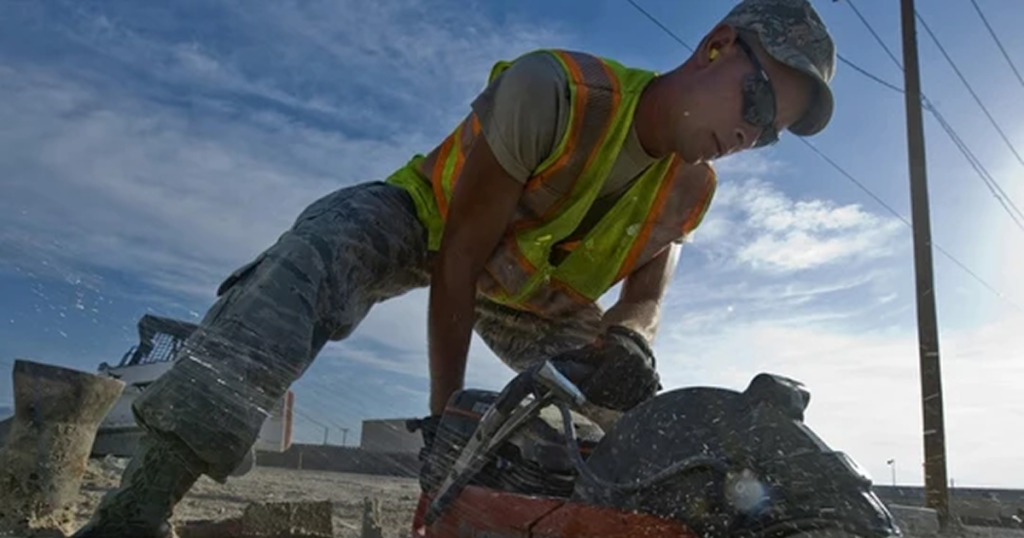
To cut concrete safely, first identify what is inside or beneath the concrete, choose a suitable saw and blade, control hazardous silica dust, and follow the equipment manufacturer’s operating instructions. The cutting method depends on the concrete’s thickness, reinforcement, location, and the purpose of the work.
Whether you’re modifying a driveway, repairing a patio, or planning an opening, concrete cutting requires preparation to avoid damaging surrounding structures or creating unnecessary safety risks.
This guide explains the tools, dust-control measures, and precautions involved in how to cut concrete safely. Sorrento Lumber & Concrete supplies tools, saw blades, and safety equipment at its Sorrento hardware store.
Concrete cutting involves significant hazards. Work affecting structural concrete, concealed utilities, or reinforced slabs should be evaluated and performed by qualified professionals.
Why Would You Need to Cut Concrete?
Concrete is durable, but construction and repair projects sometimes require modifications to existing surfaces.
Common reasons include:
- Concrete repairs: Removing damaged portions of a driveway, patio, or walkway.
- Control joints: Creating planned joints that encourage shrinkage cracking to occur at designated locations.
- Utility work: Providing access for repairs to underground pipes or other services.
- Property improvements: Adjusting concrete areas during renovations or additions.
- Construction modifications: Preparing approved openings or alterations for new work.
The correct cutting method depends on the application.
For example, cutting a planned control joint in a slab is different from removing a section of reinforced concrete near a foundation. Joint locations and timing should follow project requirements, while structural changes require appropriate professional review.
What Tools Do You Need to Cut Concrete?
Choosing appropriate concrete cutting tools depends on the material, cut depth, available working space, and equipment requirements.
1. Concrete Cutting Saw
Different cutting applications may require different equipment.
Handheld concrete saws are used for certain smaller or restricted-access cutting tasks.
Walk-behind saws are commonly used for pavement and slab cutting.
More complex work may require specialized equipment operated by experienced concrete cutting contractors.
Avoid selecting equipment based only on the cut length. Concrete thickness, embedded reinforcement, working conditions, and dust controls also affect the decision.
2. Diamond Blade for Concrete
Diamond blades are commonly used for cutting concrete and masonry.
However, not every diamond blade is suitable for every material or cutting method.
Before selecting a blade, confirm its compatibility with:
- The specific saw
- Concrete or other material being cut
- Wet or dry operation, as permitted
- Equipment speed and manufacturer requirements
- The intended cutting application
Using an incompatible blade can create equipment damage and serious injury hazards.
3. Dust-Control Equipment
Concrete cutting can release respirable crystalline silica, a serious health hazard.
Depending on the equipment and application, dust-control systems may include integrated water delivery or manufacturer-compatible dust extraction.
The selected system must meet the applicable safety requirements for the task.
4. Personal Protective Equipment
Concrete cutting may require:
- Safety glasses or suitable eye protection
- Hearing protection
- Appropriate protective footwear
- Gloves and other task-specific protection
- Properly selected respiratory protection when required
Respiratory protection requirements depend on the equipment, exposure conditions, and applicable regulations. An ordinary dust mask should not be assumed sufficient.
Sorrento Lumber & Concrete lists saw blades, tools, safety glasses, gloves, respirators, and hearing protection among its hardware store product categories.
Product suitability and availability should be confirmed before purchasing.
How to Prepare for a Concrete Cutting Project
Proper planning is essential before operating concrete cutting equipment.
Step 1: Identify the Cutting Area
Determine why the concrete needs to be cut and what must remain undamaged.
Confirm the intended cutting area against construction plans or repair requirements.
Do not assume an existing slab can be cut without affecting its structural function.
Step 2: Check for Hidden Hazards
Concrete may contain reinforcement, embedded cables, utilities, or other concealed components.
Identify these hazards before work begins.
Cutting post-tensioned concrete, structural reinforcement, or areas containing unknown utilities can be especially dangerous and requires qualified evaluation.
Step 3: Select Suitable Equipment
The saw and blade must be appropriate for the concrete and intended cut.
Have an experienced operator review the equipment specifications, required dust controls, and operating conditions.
Avoid relying on universal cutting depths, fixed operating intervals, or improvised methods.
Step 4: Establish Dust Controls
Before cutting, confirm how silica dust will be controlled and how nearby workers or occupants will be protected.
For construction work, the OSHA respirable crystalline silica standard identifies specified control methods for equipment such as handheld and walk-behind saws.
Controls must be appropriate for the task and implemented correctly.
Step 5: Follow Equipment Instructions
Only trained and competent operators should use concrete cutting equipment.
Follow manufacturer requirements concerning equipment setup, guarding, blade compatibility, cooling, operating procedures, and maintenance.
If the task exceeds the operator’s experience or equipment capabilities, hire a qualified contractor.
Step 6: Handle Concrete Waste Safely
After cutting, concrete fragments, slurry, and dust must be managed appropriately.
Avoid dry sweeping or compressed-air cleanup that could disperse hazardous silica dust when safer cleaning methods are available.
Where appropriate, use wet cleanup methods or suitable HEPA-filtered dust collection.
Dispose of concrete debris and slurry according to applicable site and local requirements.
Wet Cutting vs. Dry Cutting: What Is Safer?
Dust control is one of the most important considerations when cutting concrete.
Wet Concrete Cutting
Wet cutting systems apply water at the cutting point to reduce airborne dust.
For several common saw types, OSHA specifies integrated water-delivery systems that continuously supply water to the blade.
The equipment must be operated and maintained according to manufacturer instructions.
Water application alone does not automatically make every cutting task safe. Additional ventilation, respiratory protection, or other controls may be necessary depending on the conditions.
Dry Concrete Cutting
Dry cutting without adequate dust controls can produce hazardous concentrations of respirable crystalline silica.
Certain equipment can use appropriate shrouds and dust collection systems, but controls must be compatible with the equipment and satisfy applicable requirements.
The NIOSH guidance on cut-off saw dust controls discusses water application and local exhaust ventilation as methods for reducing dust exposure.
Important: Do not substitute occasional surface wetting or a basic face mask for an appropriate dust-control system.
Preparing for a Concrete Cutting or Repair Project?
Before purchasing materials, confirm the equipment and supply requirements with the contractor performing the work.
Sorrento Lumber & Concrete carries tools, saw blades, and safety products at its Sorrento hardware store.
For additional work involving concrete repairs or replacement, explore concrete products and supplies, including bagged concrete, reinforcement, forming materials, and curing products.
Have your material list, required quantities, and product specifications ready when requesting pricing.
Ask About Tools & MaterialsWhen Should You Hire a Professional Concrete Cutting Contractor?
Not every concrete cutting task is appropriate for an inexperienced operator.
Consider a qualified concrete cutting contractor when the project involves:
- Structural slabs, foundations, or load-bearing elements
- Post-tensioned or heavily reinforced concrete
- Unknown underground or embedded utilities
- Deep, extensive, or complex cutting
- Work near occupied buildings or sensitive equipment
- Restricted spaces requiring specialized dust controls
- Precision openings or modifications requiring engineering review
A professional can assess the project conditions, select suitable equipment, and determine appropriate cutting and safety procedures.
Avoid attempting structural modifications based solely on general online instructions.
Concrete Cutting Safety Checklist
Before starting, confirm the following:
| Planning Item | What to Verify |
|---|---|
| Cutting purpose | Repair, joint, opening, or removal |
| Structural conditions | Whether professional review is required |
| Hidden hazards | Utilities, reinforcement, or embedded cables |
| Equipment | Appropriate saw, blade, and guarding |
| Dust control | Compliant system for the task |
| Safety equipment | Required PPE and respiratory protection |
| Work area | Access, nearby occupants, and other hazards |
| Waste management | Safe debris and slurry cleanup |
A documented plan helps contractors identify important requirements before cutting begins.
Frequently Asked Questions
1. What is the best tool for cutting concrete?
The appropriate tool depends on the concrete thickness, work area, cut type, and project conditions. Handheld saws and walk-behind concrete saws are used for different applications. Choose equipment with suitable blades and dust-control systems.
2. Can you cut concrete with a diamond blade?
Yes. Diamond blades are commonly used for concrete cutting. The blade must be compatible with the saw, material, intended application, and permitted operating method.
3. Is wet cutting better than dry cutting?
Wet cutting with an appropriate integrated water-delivery system can significantly reduce airborne silica dust. However, required controls depend on the equipment and work conditions. Uncontrolled dry cutting can create serious exposure hazards.
4. When should you hire a concrete cutting contractor?
Hire a qualified contractor when cutting involves structural concrete, unknown reinforcement, embedded utilities, extensive cuts, specialized equipment, or significant dust-control challenges.
Planning a Concrete Replacement or New Pour?
Cutting or removing existing concrete may be the first stage of a larger improvement project.
If you’re replacing a driveway, installing a patio, preparing a slab, or completing an approved foundation project, the next step may involve ordering new ready-mix concrete.
Sorrento Lumber & Concrete supplies ready-mix concrete for residential and commercial construction projects in South Louisiana.
Ready to plan your concrete order?
Prepare your jobsite location, estimated cubic yards, required concrete strength (PSI), project specifications, and preferred pour date.
If you’re still estimating the quantity, review our concrete yardage guide before requesting pricing.
Request a Ready-Mix Concrete Quote to discuss your mix requirements and delivery arrangements with Sorrento Lumber & Concrete.
Request a Ready-Mix Concrete Quote